What is Physical AI?
- AI in tangible forms (robots, automated machines)
- Enhances efficiency & effectiveness
- Streamlines operations & fosters innovation
Join Zhenmind AI for expert analysis, startup spotlights, and global trend reports on AI innovation.
Posted on: 2025-11-06
By: Lian Zhao
What if the next revolutionary leap in technology was not just about software, but about machines that can think and act in the physical world? The rise of Physical AI is shaping not only industries but also our daily lives, presenting opportunities and challenges that demand our attention.
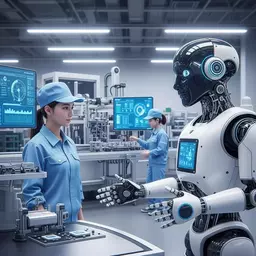
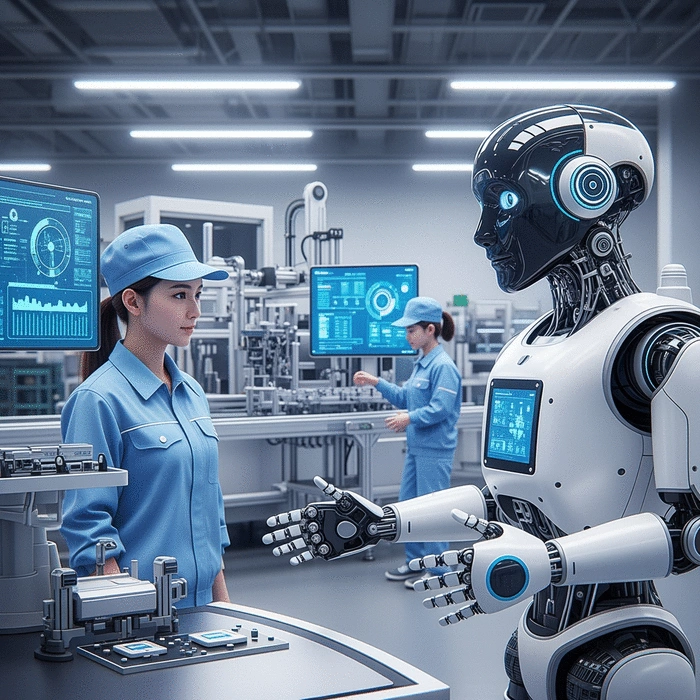
Physical AI, encompassing robots and automated machines, is rapidly transforming various sectors in China. This visual breaks down the core components and impacts discussed in the article, highlighting the interplay between AI advancements, geopolitical shifts, ethical considerations, and workforce evolution. For a deeper understanding of how these advancements are shaping the nation's industrial capabilities, explore Chinese AI in Smart Manufacturing.
As we delve into the realm of Physical AI, it's essential to grasp its significance within China's burgeoning technology landscape. Physical AI refers to systems that embody intelligence in tangible forms, such as robots and automated machines. This plays a pivotal role in transforming various sectors, from manufacturing to healthcare, by enhancing efficiency and effectiveness. As someone deeply invested in understanding technological advancements, I find it fascinating how this intersection of AI and physical capabilities is reshaping our world!
Moreover, the implications of Physical AI extend beyond mere automation. It challenges our perceptions of work and interaction, ushering in a new era where machines can perform tasks that were once thought to require human intelligence. This evolution is not just about technology; it reflects cultural shifts and ethical considerations that we must navigate together.
At its core, Physical AI encompasses a wide range of technologies that integrate artificial intelligence with physical components. These include robots capable of performing tasks autonomously, systems that can interact with their environment, and smart machines designed for specific applications. Understanding the importance of Physical AI is crucial because it not only streamlines operations but also fosters innovation in ways we are just beginning to explore.
As we consider these benefits, it’s clear that the rise of Physical AI is set to redefine the relationship we have with technology. The potential for improved quality of life and economic growth is enormous, but it also raises questions about the ethical implications and the future of work.
China has emerged as a powerhouse in the development of humanoid robotics. Recent advancements showcase a commitment to innovation, with numerous startups and established companies racing to push the boundaries of what robots can achieve. The rapid growth in this field can be attributed to a combination of government support, massive investments, and a strong focus on research and development.
This concerted effort is not just about creating advanced machines; it’s about building systems that can learn, adapt, and integrate seamlessly with human environments. As I examine these developments at Zhenmind AI, it's evident that the future of humanoid robotics holds incredible promise, not only for China but for the global community.
Artificial intelligence serves as the backbone of Physical AI advancements. By leveraging machine learning, deep learning, and data analytics, we can enhance the capabilities of humanoid robots, allowing them to operate autonomously and make informed decisions. The synergy between AI and robotics creates machines that can learn from their experiences, making them smarter and more efficient over time. For insights into the broader ethical landscape that guides such technological progress, consider exploring AI Ethics Principles and Challenges.
As we explore these intersections further, I encourage you to consider how these technologies might influence your own field. Whether it's healthcare, industry, or beyond, the integration of AI into physical embodiments presents an exciting frontier for innovation. What are your thoughts on how we can harness these advancements responsibly?
As we explore the advancements in Physical AI, we want to hear from you! How do you feel about the integration of robots in our daily lives and industries? Select one of the options below:
Physical AI refers to systems that embody artificial intelligence in tangible forms, such as robots and automated machines, designed to interact with and act in the physical world. It enhances efficiency and effectiveness across various sectors.
China's rapid advancements in humanoid robotics are driven by significant government support, massive investments in research and development, and a strong focus on talent cultivation in robotics and AI. This concerted effort positions China as a global powerhouse in the field.
Artificial intelligence, through machine learning, deep learning, and data analytics, serves as the backbone for Physical AI. It enables robots to operate autonomously, make informed decisions, learn from experiences, and interact more effectively with humans and their environment.
China's progress in robotics has significant geopolitical and economic implications, including increased tech exports and influence, the formation of new strategic partnerships, and shifts in global labor markets. Nations are reevaluating their own tech investments to keep pace.
Key ethical considerations include establishing accountability for robot actions, ensuring inclusivity in AI design to avoid bias, and maintaining transparency about how AI systems make decisions. Environmental impacts like resource efficiency and waste generation also need to be addressed.
Preparation involves upskilling the workforce to collaborate with robots, emphasizing soft skills like communication and creativity, and adapting work environments to facilitate human-robot teamwork. Staying informed about robotics trends is also crucial.
The emergence of physical AI in China is not just a technological revolution; it's reshaping global dynamics. As the country invests heavily in robotics, the implications stretch far beyond its borders. The geopolitical landscape is evolving as nations recognize the competitive edge that comes from advancements in robotics and AI technologies. How does this affect international relations and economic strategies? Let's dive into the details!
China's surge in robotics development brings significant change to global power balances. The economic impact of their advancements is profound, affecting trade, labor markets, and technological partnerships around the world. Here are a few key points to consider:
The global implications are enormous, as nations reevaluate their own investments in technology to keep pace with China's rapid progress. We must ask ourselves—how will this shape our world in the coming years?
As we witness the rise of robotics, it's crucial to consider the ethical dimensions surrounding AI. The development of humanoid robots raises questions regarding their deployment and the societal impacts they may create. At Zhenmind AI, we emphasize the importance of fostering responsible AI practices. Here are important ethical considerations to keep in mind:
These ethical aspects not only guide the development of technology but also influence public perception and acceptance of robotics in daily life.
The rise of physical AI presents both opportunities and challenges. To navigate this evolving landscape, it's vital for businesses and individuals to understand the implications of robotics and prepare accordingly. Are you ready for the future?
As we embrace humanoid robotics, we must also consider their environmental impact. The deployment of these technologies could lead to changes in energy consumption, waste generation, and resource utilization. Here are some ethical considerations we should keep in mind:
By addressing these issues proactively, we can foster a sustainable approach to robotics development and deployment.
Understanding robotics trends is crucial for anyone looking to thrive in an increasingly automated world. As the technology evolves, here’s what you should look out for:
Staying informed will empower businesses and individuals to make strategic decisions that align with these trends.
As robots become more prevalent in the workforce, preparing for collaborative roles is essential. We must pivot our skillsets and approaches to work. Here are some strategies to consider:
By proactively preparing for these changes, we can ensure a future where humans and robots coexist and collaborate effectively. For more insights on how China is adapting to these shifts, read about Expert Insights on China's AI Trends.
Here is a quick recap of the important points discussed in the article: