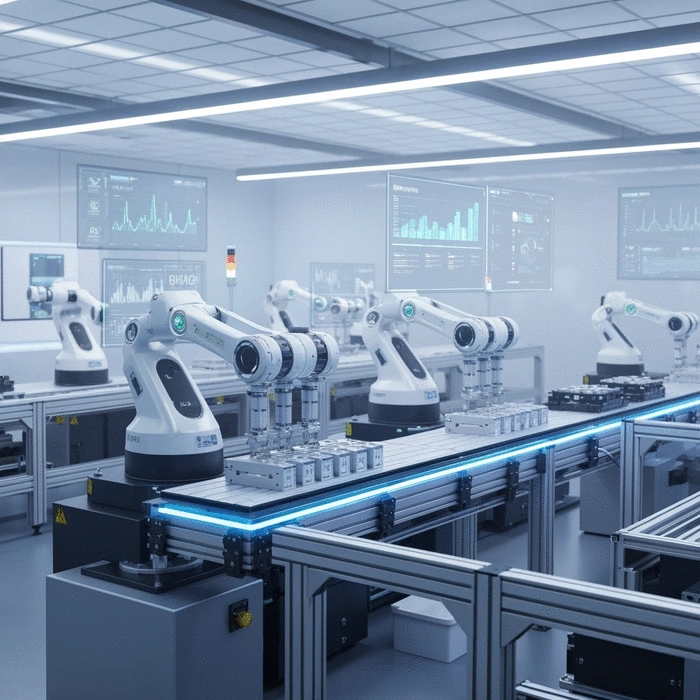
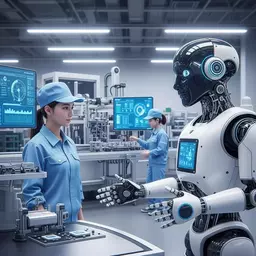
As the world edges closer to 2025, the manufacturing landscape is undergoing a seismic shift, driven by artificial intelligence. What does this mean for industries worldwide? The insights gathered from the intersection of AI and manufacturing offer a roadmap to the future, highlighting the transformative potential that awaits those ready to adapt.
What You Will Learn
Smart manufacturing leverages AI, IoT, and big data to optimize production processes and improve decision-making.
Technological integration enhances efficiency, quality control, and speed to market, vital for maintaining a competitive edge.
China's 'Made in China 2025' strategy emphasizes self-sufficiency and innovation in critical sectors like robotics and aerospace.
AI+ manufacturing drives change by optimizing production, enhancing supply chain management, and facilitating mass customization.
Sustainability and ethical considerations are increasingly important in AI deployment, aligning with global environmental efforts.
The rise of Chinese AI companies is setting new standards in global manufacturing, influencing practices worldwide.
Envisioning China's AI-Driven Smart Manufacturing Landscape by 2025
The visual below illustrates key aspects and strategic comparisons driving the future of smart manufacturing, highlighting China's pivotal role and global context.
Made in China 2025: Key Goals
Goal 1: Elevate Global Leadership
Position China as a global leader in innovation & manufacturing.
Goal 2: Self-Sufficiency
Achieve self-sufficiency in key industrial sectors.
Goal 3: Global Competitiveness
Enhance competitiveness of Chinese manufacturing globally.
Goal 4: Technological Integration
Align industrial development with advanced tech like AI.
"AI+ Manufacturing" Drivers
Optimize Production
AI analyzes data to identify & resolve inefficiencies.
Supply Chain Management
Predictive analytics for market demand forecasts.
Facilitate Customization
AI enables mass customization for specific needs.
Key Economic Impact of AI
Increased Productivity
Lower operational costs, higher output.
Enhanced Quality
Improved product quality & customer satisfaction.
Greater Agility
Faster response to changing market conditions.
Global Manufacturing Strategies Comparison
China
Rapid industrial expansion & AI integration.
Germany
Precision engineering & sustainability focus.
U.S.
Innovation-driven, strong R&D emphasis.
Note: Values are illustrative based on article content.
Understanding the Role of Chinese AI in Smart Manufacturing by 2025
As we step into the future, the convergence of artificial intelligence and manufacturing is transforming industries in ways we could only imagine. At Zhenmind AI, I find it fascinating how smart manufacturing is set to play a pivotal role in shaping China's economy by 2025. This is more than just a buzzword; it represents a shift towards integrating advanced technologies that enhance productivity, efficiency, and sustainability in manufacturing processes.
In this context, understanding smart manufacturing and its implications is crucial for professionals and tech enthusiasts alike. By embracing AI-driven solutions, companies can improve operational excellence while responding to market demands swiftly. So, what exactly is smart manufacturing, and why does it matter?
What is Smart Manufacturing and Why Does It Matter?
Defining Smart Manufacturing in the Context of AI
Smart manufacturing refers to the use of advanced technologies, such as AI, the Internet of Things (IoT), and big data analytics to create intelligent and efficient manufacturing environments. This paradigm shift allows for real-time data collection, analysis, and decision-making, resulting in improved production processes. Imagine a factory where machines communicate with each other to optimize operations—this is the essence of smart manufacturing.
In my observations, the integration of AI into manufacturing processes not only enhances productivity but also fosters innovation. By utilizing data-driven insights, businesses can make informed decisions that not only optimize current operations but also pave the way for future advancements.
The Importance of Technological Integration in Manufacturing
Technological integration in manufacturing is vital because it ensures that all components of the production process work seamlessly together. The benefits of this integration include:
Enhanced Efficiency: Streamlined operations lead to reduced waste and lower costs.
Improved Quality Control: Advanced monitoring systems help maintain consistent product quality.
Faster Time to Market: Innovations can be implemented swiftly, keeping businesses competitive.
As we explore these facets, it becomes clear that the path to successful smart manufacturing hinges on embracing AI technologies that complement traditional manufacturing methods.
China’s National Strategy for Industrial Growth
Made in China 2025: Goals and Policy Framework
China's Made in China 2025 initiative aims to elevate the country as a global leader in innovation and manufacturing. By focusing on key sectors such as robotics, aerospace, and biomedicine, the initiative serves as a blueprint for integrating advanced technologies across various industries. As I analyze this strategy, I see a clear commitment to achieving self-sufficiency and enhancing the global competitiveness of Chinese manufacturing.
This strategy also emphasizes the importance of aligning industrial development with technological advancements. In essence, it seeks to transform China's manufacturing sector into a high-tech powerhouse, leveraging AI as a cornerstone of this evolution.
How AI+ Manufacturing is Driving Change
The intersection of AI and manufacturing—often referred to as AI+ manufacturing—is driving transformative change throughout the industry. This synergy allows manufacturers to:
Optimize Production: AI algorithms can analyze production data to identify inefficiencies.
Enhance Supply Chain Management: Predictive analytics can forecast market demands, allowing for proactive adjustments.
Facilitate Customization: AI enables mass customization, meeting specific consumer needs effectively.
Such advancements not only bolster productivity but also contribute to more sustainable practices, aligning with global efforts toward environmental responsibility.
The Rise of Chinese AI Companies and Their Impact on Manufacturing
Major Players in the Chinese AI Landscape
The rise of Chinese AI companies is reshaping the manufacturing landscape. Leading firms such as Hikvision, iFlytek, and DJI are pioneering innovations that bolster efficiency and quality in production. Their commitment to research and development allows them to push the boundaries of what's possible in manufacturing.
In observing these developments, I am impressed by how these companies are not only enhancing their operations but are also influencing global trends. The integration of AI-driven solutions in manufacturing from these industry leaders may very well set the standard for future developments worldwide.
Frequently Asked Questions (FAQs)
Smart manufacturing involves using advanced technologies like AI, IoT, and big data to create intelligent and efficient manufacturing environments, enabling real-time data collection, analysis, and decision-making for improved production processes.
The initiative aims to position China as a global leader in innovation and manufacturing, achieve self-sufficiency in key industrial sectors, enhance the global competitiveness of Chinese manufacturing, and align industrial development with advanced technologies like AI.
AI+ manufacturing optimizes production by identifying inefficiencies, enhances supply chain management through predictive analytics, and facilitates mass customization to meet specific consumer needs, leading to increased productivity and sustainable practices.
The key economic impacts include increased productivity, lower operational costs, enhanced product quality, improved customer satisfaction, and greater agility in responding to market changes, providing a significant competitive advantage.
Future trends include a growing emphasis on sustainability and ethical considerations in AI deployment, such as increased use of renewable energy and transparent data utilization, as well as the revolutionary role of 5G technology in enhancing connectivity and operational responsiveness.
We Want to Hear From You!
As we discuss the transformative role of AI in smart manufacturing, what aspect do you find most intriguing? Is it the technological advancements, the sustainability initiatives, or the impact on global competitiveness? Share your thoughts below:
Looking Ahead: The Future of Smart Manufacturing Beyond 2025
As we move towards 2025 and beyond, the landscape of smart manufacturing is poised for remarkable evolution. With the integration of AI, we can expect significant advancements that will not only enhance efficiency but also redefine industry standards. Understanding these trends is crucial for professionals and companies alike, especially those looking to engage with the innovations emerging from China's robust AI development.
What Trends to Expect in AI and Manufacturing Integration
First up, let’s discuss the growing emphasis on sustainability and ethical considerations in AI deployment. As businesses worldwide become increasingly aware of their environmental impact, integrating sustainable practices into AI and manufacturing processes is essential.
Increased use of renewable energy sources
Development of energy-efficient smart machines
Enhancing recycling and waste management through AI
These factors not only appeal to eco-conscious consumers but also align with global regulatory trends aimed at reducing carbon footprints. Moreover, the ethical implications of AI deployment will necessitate a focus on accountability and transparency in how data is utilized. As a part of Zhenmind AI, I believe that integrating these values is essential for fostering responsible technological advancement.
Sustainability and Ethical Considerations in AI Deployment
Next, let's spotlight the role of 5G technology in revolutionizing future manufacturing solutions. The deployment of 5G networks is set to significantly enhance communication between devices on the production floor.
Enabling real-time data sharing and collaboration
Facilitating more complex IoT ecosystems
Improving latency and operational responsiveness
With 5G, manufacturers can achieve unprecedented levels of connectivity, resulting in smarter, more adaptable manufacturing processes. This integration will not only streamline operations but also pave the way for innovations that we can only begin to imagine!
How Global Collaborations Might Evolve
As we look forward, it's essential to consider how global collaborations will evolve. The interconnectedness of markets means that companies will need to adapt their strategies based on international practices and policies.
Comparative Analysis: China, Germany, and the U.S. Strategies
In examining the approaches taken by major players like China, Germany, and the U.S., we can see distinct strategies shaping the future of manufacturing:
Germany: Emphasis on precision engineering and sustainability.
U.S.: Innovation-driven approaches with a strong focus on R&D.
By analyzing these strategies, businesses can glean insights on how to navigate the complex landscape of global manufacturing while leveraging the unique strengths that each region offers.
Summarizing the Impact of AI on the Manufacturing Landscape
Key Takeaways from China’s AI-Driven Transformation
As we wrap up this section, it's clear that AI is not just a tool but a transformative force in manufacturing. Companies that embrace this shift will be better positioned to adapt to future demands and consumer expectations.
Implications for Businesses and Policy Makers
For policy makers, understanding the implications of AI integration in manufacturing is crucial. By fostering environments conducive to innovation while ensuring ethical practices, they can support industries in navigating this change responsibly.
Exploring the Economic Impact of AI in Manufacturing
The economic impact of AI within manufacturing is profound. Organizations that successfully incorporate AI into their processes can expect:
Increased productivity and lower operational costs
Enhanced product quality and customer satisfaction
Greater agility in responding to market changes
Through strategic AI integration, businesses gain a significant competitive advantage in an increasingly globalized economy.
Call to Action: Engaging with the Future of Manufacturing
As industry professionals, I encourage you to actively engage with the ongoing developments in AI and manufacturing. Participating in AI development initiatives and collaborations can help shape a future that prioritizes innovation while respecting ethical standards.
Encouraging Participation in AI Development Initiatives
Join the dialogue surrounding AI's transformative potential! Share your insights and explore how we can collectively navigate the future of manufacturing. Together, we can foster a landscape that embraces technological progress while upholding our shared values.
Recap of Key Points
Here is a quick recap of the important points discussed in the article:
Smart manufacturing leverages AI, IoT, and big data for enhanced productivity and efficiency.
Technological integration is crucial for improving quality control and reducing operational costs.
China's "Made in China 2025" initiative focuses on innovation and self-sufficiency in key industrial sectors.
AI+ manufacturing drives optimization, customization, and sustainable practices.
Global collaborative strategies vary, with unique strengths identified in China, Germany, and the U.S.
Engaging with AI development is essential for professionals to navigate future manufacturing landscapes responsibly.
Physical AI Developments in China
What if the next revolutionary leap in technology was not just about software, but about machines th
2025-11-06
Ethical Debates on AI in China
In the rapidly evolving landscape of artificial intelligence, understanding our role in shaping its
Zhenmind AI
Your essential platform for exploring the latest Chinese AI innovations. We empower professionals, researchers, and tech enthusiasts with expert analysis, startup spotlights, and global trend reports.
Dedicated to fostering a responsible approach to technology, our mission is to provide reliable, ethical insights into AI's transformative impact on healthcare, language processing, and smart industries.