As we stand on the brink of a technological revolution, understanding the dynamics at play in China’s AI hardware landscape can open doors to unprecedented opportunities. What can we learn from this rapidly evolving sector that is reshaping not only the nation but the global technology scene?
What You Will Learn
The National AI+ initiative is pivotal for enhancing China's self-reliance in AI hardware through increased funding and support for local manufacturers.
Domestic chip production, led by companies like Huawei, is vital for national security and reducing dependency on foreign technology.
5G technology is revolutionizing AI hardware development by enabling faster data transfer and real-time applications across various sectors.
China's semiconductor supply chain faces geopolitical challenges, requiring resilience and investment in local production to ensure future stability.
Regulatory frameworks are crucial as they evolve alongside AI technologies to address data privacy and ethical practices in innovation.
Foreign investment is accelerating innovation in China’s semiconductor industry, fostering partnerships and expanding market access for local companies.
China's AI Hardware Landscape: Opportunities & Risks
This visual highlights key opportunities and risks shaping the future of AI hardware in China, focusing on driving forces, supply chain, and regulatory aspects.
National AI+ Initiative: Driving Self-Reliance
• Increase R&D Funding
• University-Tech Collaboration
• Local Hardware Manufacturing
Strategic cornerstone for tech prowess.
Domestic Chips Significance
• Enhanced AI Processing
• Reduced Foreign Dependency
• Impact Global Supply Chains
Huawei Ascend leading the charge.
5G Role in AI Hardware Dev.
• Faster Data Transfer
• Support ML Algorithms
• Lower Latency for AI Apps
Foundation for next wave of AI.
Supply Chain Resilience (Risks)
• Geopolitical Tensions
• Dependency on Foreign Tech
• Investment in Local Production
Navigating challenges ahead.
Regulatory & Ethical Considerations
• Data Privacy Laws
• Ethical AI Practices
• Transparency Requirements
Balancing innovation & responsibility.
Understanding China’s AI Hardware Landscape: A Strategic Overview
As we dive into the intricate world of China’s AI hardware landscape, it’s crucial to understand the driving forces behind its rapid evolution. The Chinese government has embraced a strategic approach with initiatives like the National AI+ initiative, aimed at fostering self-reliance in AI hardware. This initiative not only allocates significant funding but also sets the stage for a robust ecosystem that supports startups and established companies alike. For a deeper understanding of China's strategic approach to AI, you can refer to insights from the World Economic Forum's report on China's path to AI-powered industry transformation.
In my travels and research, I’ve seen firsthand how this initiative is transforming the market, providing unprecedented opportunities for innovation. It’s fascinating to witness a nation that is so quickly navigating the complexities of AI technology while also addressing local and global needs.
The National AI+ Initiative: Driving Self-Reliance in Hardware
The National AI+ initiative is a cornerstone of China’s plan to enhance its technological prowess. This program focuses on several key areas:
Increase funding for AI research and development projects.
Encourage collaboration between universities and tech companies.
Support the creation of local manufacturers for AI hardware.
By prioritizing these areas, the initiative is not just about fostering innovation, but also about ensuring that China can compete on a global scale. The implications of this self-reliance are profound, as it paves the way for long-term sustainability and growth in the AI sector.
Significance of Domestic Chips in Global Technology
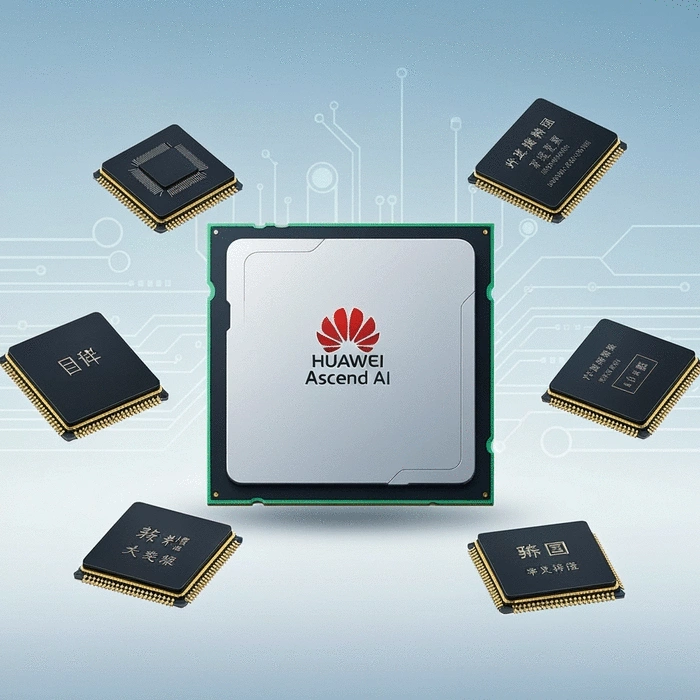
Let’s take a minute to consider the role of domestic chips in the global semiconductor landscape. Companies like Huawei are leading the charge with their Ascend chips, which are not only innovative but also critical in redefining market dynamics. Here are some key aspects of their significance:
Enhancement of processing capabilities, particularly in AI applications.
Reduction of dependence on foreign technology, fostering national security.
As I explore the impact of these domestic chips, it becomes clear that they are not just technical products but symbols of China’s growing influence in the tech world. The way companies like Huawei are positioning themselves highlights a shift that could alter the competitive landscape significantly.
The Role of 5G Technology in AI Hardware Development
5G technology is another exciting element in the development of AI hardware. The high-speed connectivity it offers is revolutionizing how devices communicate and process information. This has immense implications for sectors such as healthcare, manufacturing, and smart cities. Some benefits include:
Faster data transfer leading to real-time AI applications.
Support for advanced machine learning algorithms that require substantial data.
Enhanced reliability and lower latency for AI-driven applications.
In my recent discussions with industry experts, the consensus is clear: 5G is not just an upgrade; it's a foundation for the next wave of AI innovation. The integration of AI hardware with 5G connectivity is set to unlock possibilities we’ve only begun to imagine.
We Want to Hear From You!
As we explore the evolving landscape of AI hardware in China, we want to know your thoughts! Which aspect of China's AI hardware development excites you the most?
Evaluating Opportunities and Risks in China’s AI Hardware Future
As we delve into the future of AI hardware in China, it's essential to evaluate both the opportunities and risks that lie ahead. The semiconductor supply chain, a critical backbone for AI advancements, is currently facing various challenges that could influence its trajectory. Understanding these dynamics is crucial for professionals and tech enthusiasts alike, especially those engaged in the global tech landscape.
The state of China’s semiconductor supply chain reflects a complex web of relationships influenced by domestic policies and international tensions. Recent geopolitical developments have raised concerns about the stability of this crucial industry. As I explore these challenges, it becomes clear that resilience is key to navigating the future.
Geopolitical Tensions: Escalating conflicts, especially with the U.S., can disrupt supply chains.
Dependency on Foreign Tech: Reliance on non-domestic technologies affects security and growth.
By focusing on these elements, we can better understand how China's AI hardware landscape might evolve, particularly as efforts ramp up to mitigate risks and enhance supply chain resilience. Are we witnessing a shift toward self-sufficiency?
Regulatory and Ethical Considerations for AI Hardware
As China's AI industry rapidly grows, so does the need for a robust regulatory framework. The regulatory environment surrounding AI technologies, particularly in areas like data privacy and ethics, poses unique challenges. As someone dedicated to exploring the implications of technology, I see this as a critical area for discussion.
Data Privacy Laws: New regulations aim to protect users while fostering innovation.
Ethical AI Practices: Guidelines are being developed to ensure responsible use of AI technologies.
Transparency Requirements: Expectations for transparency in AI operations are increasing.
These considerations are vital for ensuring that advancements in AI hardware align with ethical standards and societal values. As we move forward, how can we create a balance between innovation and responsibility?
Foreign Investment and the Semiconductor Industry: Trends and Impacts
The influx of foreign investment into China's semiconductor industry has far-reaching implications for AI hardware development. Understanding these trends is essential for those of us closely monitoring the evolution of this space. Let's dive into some key aspects of this dynamic.
Increased Funding: Foreign capital is enabling startups to innovate at a faster pace.
Collaborative Ventures: Partnerships with global tech firms foster knowledge exchange.
Market Expansion: Access to international markets is becoming more feasible for local companies.
As Zhenmind AI aims to highlight the transformative impacts of these investments, it’s clear that the interplay between domestic growth and foreign collaboration will shape the future landscape of AI hardware in China. How can we harness these opportunities for sustainable development?
Frequently Asked Questions About China's AI Hardware Landscape
What is the National AI+ initiative?
The National AI+ initiative is China's strategic program designed to enhance its self-reliance in AI hardware. It involves increasing R&D funding, fostering collaboration between universities and tech companies, and supporting local hardware manufacturing.
How do domestic chips like Huawei's Ascend impact global technology?
Domestic chips, such as Huawei’s Ascend, enhance AI processing capabilities, reduce China’s dependence on foreign technology for national security reasons, and challenge established global players like Nvidia, thereby impacting global supply chains.
What role does 5G play in AI hardware development?
5G technology is crucial for AI hardware development due to its high-speed connectivity, which enables faster data transfer for real-time AI applications, supports advanced machine learning algorithms requiring substantial data, and provides enhanced reliability and lower latency for AI-driven applications.
What are the main risks to China's semiconductor supply chain?
The main risks include geopolitical tensions, particularly with the U.S., which can disrupt supply chains; a continued dependency on foreign technologies; and the ongoing need for significant investment in local production to build resilience and self-sufficiency.
What are the key regulatory and ethical considerations for AI hardware in China?
Key considerations include developing robust data privacy laws to protect users while enabling innovation, establishing ethical AI practices to ensure responsible technology use, and increasing transparency requirements for AI operations to build trust and accountability.
Recap of Key Points
Here is a quick recap of the important points discussed in the article:
The National AI+ initiative is crucial for enhancing China's self-reliance in AI hardware through increased funding and support for local manufacturers.
Domestic chips, such as Huawei's Ascend, are vital in reducing dependence on foreign technology and enhancing national security.
5G technology plays a transformative role in AI hardware development by enabling faster data transfer and real-time applications.
Challenges in the semiconductor supply chain, driven by geopolitical tensions, need to be addressed to ensure resilience and sustainability.
Regulatory frameworks focusing on data privacy and ethical AI practices are essential for the responsible evolution of AI technologies.
Foreign investment is accelerating innovation in China's semiconductor industry, fostering collaborations and market expansion.
Physical AI Developments in China
What if the next revolutionary leap in technology was not just about software, but about machines th
2025-11-06
Ethical Debates on AI in China
In the rapidly evolving landscape of artificial intelligence, understanding our role in shaping its
Zhenmind AI
Your essential platform for exploring the latest Chinese AI innovations. We empower professionals, researchers, and tech enthusiasts with expert analysis, startup spotlights, and global trend reports.
Dedicated to fostering a responsible approach to technology, our mission is to provide reliable, ethical insights into AI's transformative impact on healthcare, language processing, and smart industries.