AI Models: Open Source vs. Proprietary
Posted on: 2025-11-05
By: Lian Zhao
As the landscape of artificial intelligence continues to evolve, enterprises must navigate the complexities of choosing the right AI model. Did you know that selecting between open-source and proprietary models can significantly affect your operational efficiency and scalability? Here’s what you will learn from our exploration of Chinese AI models.
What You Will Learn
- Open-source models offer customization and community support, while proprietary models provide reliability and built-in features.
- Choosing the right AI model impacts operational efficiency, scalability, and cultural adoption within your organization.
- Consider total cost of ownership, including maintenance and support, when evaluating cost efficiency.
- Future trends indicate a growing demand for open-source flexibility alongside proprietary security advancements.
- Engaging with AI communities can enhance your understanding and provide ongoing support for implementation.
Comparing Chinese AI Models: Open Source vs. Proprietary for Enterprises
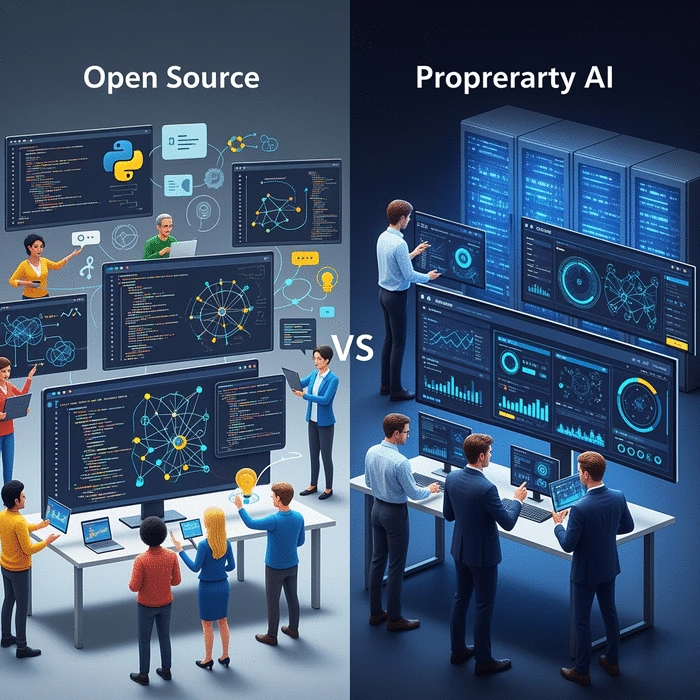
This visual highlights the key distinctions and considerations when choosing between open-source and proprietary Chinese AI models for enterprise adoption.
Open Source Models (e.g., DeepSeek)
- Cost-effective: Lower initial licensing fees.
- Customizable: Adaptable to specific needs.
- Community-driven: Benefits from broad developer support.
- Adaptability: Greater flexibility for innovation.
*May require more in-house expertise and customization effort.
Proprietary Models (e.g., WuDao)
- Reliable Support: Dedicated vendor assistance.
- Built-in Features: Often faster deployment out-of-the-box.
- High Efficiency: Cutting-edge capabilities.
- Robust Performance: Optimized for specific tasks.
*Can have licensing restrictions and higher initial costs.
Understanding the Landscape of Chinese AI Models for Enterprises
In the ever-evolving world of artificial intelligence, understanding the landscape of Chinese AI models is crucial for enterprises aiming to leverage these technologies. With rapid advancements in both open-source and proprietary models, navigating this territory can be daunting. At Zhenmind AI, we are committed to providing clarity on these innovations, especially as they pertain to the unique needs of businesses. Enterprises looking to understand the broader context of AI in the region might find our article on Chinese AI and Cultural Change particularly insightful.
Choosing the right AI model isn't just about the technology itself—it's about aligning that technology with your enterprise goals. Open-source models offer flexibility and community support, while proprietary models often promise robustness and dedicated service. What’s the right choice for your organization? Let’s delve deeper!

Overview of Open Source vs Proprietary AI Models
When we compare open-source and proprietary AI models, several factors come into play. Open-source models, such as DeepSeek, allow businesses to customize the algorithms to fit their specific needs, fostering innovation and collaboration. In contrast, proprietary models, like those developed by WuDao, can provide high levels of support and pre-built features that may speed up deployment.
- Open-Source Models: Cost-effective, customizable, and community-driven.
- Proprietary Models: Reliable support, built-in features, and often faster deployment.
Understanding these differences is essential when evaluating which model can best support your enterprise strategies. The choice will ultimately depend on your business size, budget, and specific application needs.
Importance of Choosing the Right AI Model for Enterprise Adoption
Selecting the right AI model is a pivotal decision for enterprises, and it goes beyond merely assessing technical capabilities. The model you choose will impact your organization’s operational efficiency, scalability, and even cultural adoption. For instance, a model that is well-suited for data analytics might not perform as well in customer service applications. For a deeper dive into the ethical considerations that should accompany such decisions, explore AI Ethics: Principles and Challenges.
- Consider your team's expertise and familiarity with AI technologies.
- Assess integration capabilities with existing systems.
- Evaluate ongoing support and community engagement opportunities.
At Zhenmind AI, we understand that this decision is not just technical—it's strategic. Fostering a culture that embraces the chosen AI model can drive innovation and support long-term success.
Evaluating Cost Efficiency and Scalability in AI Model Selection
Cost efficiency and scalability are two critical factors in selecting an AI model for your enterprise. While initial costs may be lower with open-source solutions, it's essential to consider the long-term implications. For example, you might save money on licensing fees, but unforeseen customization costs could arise later.
- Cost Efficiency: Analyze total cost of ownership, including maintenance and support.
- Scalability: Ensure the model can grow with your business needs.
- Support and Resources: Consider the availability of resources for scaling your AI solutions.
Ultimately, making a well-informed decision will help you align your AI strategy with your enterprise’s goals, ensuring smooth adoption and maximized ROI. Remember, at Zhenmind AI, we are here to guide you through this complex but exciting journey!
Pro Tip
When evaluating AI models for your enterprise, consider conducting a pilot project with your top choices. This allows you to assess their performance in real-world scenarios, ensuring that you choose a model that not only meets your technical requirements but also aligns with your organizational culture and goals.
Frequently Asked Questions (FAQs)
What is the main difference between open-source and proprietary AI models?
Open-source models offer customization, community support, and lower initial costs, making them flexible for innovation. Proprietary models provide dedicated vendor support, built-in features, and often optimized performance but can come with higher licensing fees and restrictions.
Why is choosing the right AI model important for enterprises?
The right AI model significantly impacts an organization's operational efficiency, scalability, and cultural adoption. It ensures the technology aligns with specific business goals, maximizes ROI, and supports long-term success.
How should enterprises evaluate the cost efficiency of an AI model?
Enterprises should look beyond initial licensing fees and consider the total cost of ownership (TCO), which includes maintenance, ongoing support, potential customization costs, and the availability of resources for scaling AI solutions.
What are the future trends for AI development in China?
Future trends include continued growth of the open-source community, increased investment from government and private sectors, a growing focus on ethical AI considerations, and more cross-industry collaborations to integrate AI solutions across various sectors.
How can engaging with AI communities benefit enterprises?
Engaging with AI communities helps enterprises stay updated on the latest advancements, network with professionals, access resources for troubleshooting and implementation, and foster collaboration and knowledge-sharing, which is vital in a rapidly changing field.
Summarizing the Key Findings and Recommendations
As we reflect on the landscape of Chinese AI models, it’s clear that each has its unique strengths and weaknesses. Understanding these characteristics is essential for enterprises looking to adopt AI technology effectively. For instance, while DeepSeek excels in its open-source framework, allowing for flexibility and community-driven enhancements, WuDao offers proprietary innovations that might be crucial for businesses seeking robust performance without the need for extensive modifications.
To further guide your decision, here's a quick overview of the strengths and weaknesses of each model:
- DeepSeek: Excellent adaptability and community support, but may lack certain proprietary features that enhance performance.
- WuDao: High efficiency and cutting-edge capabilities, though it comes with licensing restrictions that could limit customizations.
- MiniMax: Balances both worlds with mixed features, but understanding its proprietary components is essential for proper integration.
This summarization not only aids in comprehending the nuances of each model but also emphasizes the importance of aligning the AI model’s strengths with your enterprise objectives.

Future Prospects for Open Source and Proprietary AI in China
The future of AI development in China is promising, particularly as the open-source community continues to grow. Open-source models like DeepSeek are fostering collaboration, innovation, and rapid advancements in AI technologies. As businesses increasingly lean towards transparency and customizable solutions, the demand for open-source frameworks will likely rise.
On the other hand, proprietary models are expected to evolve with heightened security features and advanced functionalities, appealing to enterprises that prioritize performance and support. This duality in the market creates a landscape where both open-source and proprietary models can coexist, catering to different business needs and strategies. This evolution is also shaped by broader trends in Understanding China's AI Regulations 2025.
Market Trends Influencing AI Development and Adoption
Several market trends are shaping the future of AI in China, and understanding these can help your enterprise make informed decisions. Key trends include:
- Increased Investment: Major investments from both government and private sectors into AI research and development are driving innovation.
- Ethical AI Considerations: A growing focus on the ethical implications of AI technology is leading to more responsible AI development.
- Cross-Industry Collaboration: Partnerships between tech companies and traditional industries are accelerating the integration of AI solutions across various sectors.
As we observe these trends, it’s clear that the AI landscape is evolving rapidly, making it crucial for enterprises to stay updated and adaptable.
Taking Action: Making Informed Choices for Your Enterprise
Evaluating Your Business Needs Against AI Model Features
When it comes to selecting an AI model for your enterprise, a tailored approach is vital. Begin by assessing your business needs against the features of each AI model. Consider factors such as:
- Specific use cases your enterprise aims to address.
- Integration capabilities with existing systems.
- Scalability to accommodate future growth.
By aligning the capabilities of AI models with your organizational goals, you can make a more informed decision that drives value.
Engaging with AI Communities for Ongoing Support and Insights
AI is a rapidly changing field, and staying connected with the community can provide invaluable insights. Engaging with AI forums, attending webinars, and participating in local meetups can help you:
- Stay updated on the latest advancements and best practices.
- Network with other professionals who share similar interests or challenges.
- Access resources and support for troubleshooting and implementation.
At Zhenmind AI, we are committed to fostering a community that encourages collaboration and knowledge-sharing in the realm of AI.
Implementing Business Intelligence Solutions Using AI Models
Finally, as you prepare to implement AI into your business processes, consider how these models can enhance your business intelligence solutions. The integration of AI can:
- Improve data analysis and visualization, leading to better decision-making.
- Automate routine tasks, allowing your team to focus on strategic initiatives.
- Provide predictive insights that help you stay ahead of market trends.
By leveraging AI effectively, your enterprise can unlock new levels of efficiency and innovation!
Recap of Key Points
Here is a quick recap of the important points discussed in the article:
- Open Source vs Proprietary Models: Open-source models like DeepSeek are customizable and community-driven, while proprietary models such as WuDao offer robust features and support.
- Strategic Model Selection: Align the chosen AI model with your enterprise goals, considering factors like operational efficiency, scalability, and cultural adoption.
- Cost Efficiency: Evaluate the total cost of ownership and ensure the model can scale with your business needs.
- Future Trends: Increased investment in AI and a focus on ethical AI considerations are shaping the landscape, encouraging cross-industry collaboration.
- Community Engagement: Stay connected with AI communities for ongoing support, networking, and insights into the latest advancements.
 As the global economy evolves, the role of AI in driving innovation cannot be overstated. Chinese AI
 What if the next revolutionary leap in technology was not just about software, but about machines th
 In the rapidly evolving landscape of artificial intelligence, understanding our role in shaping its